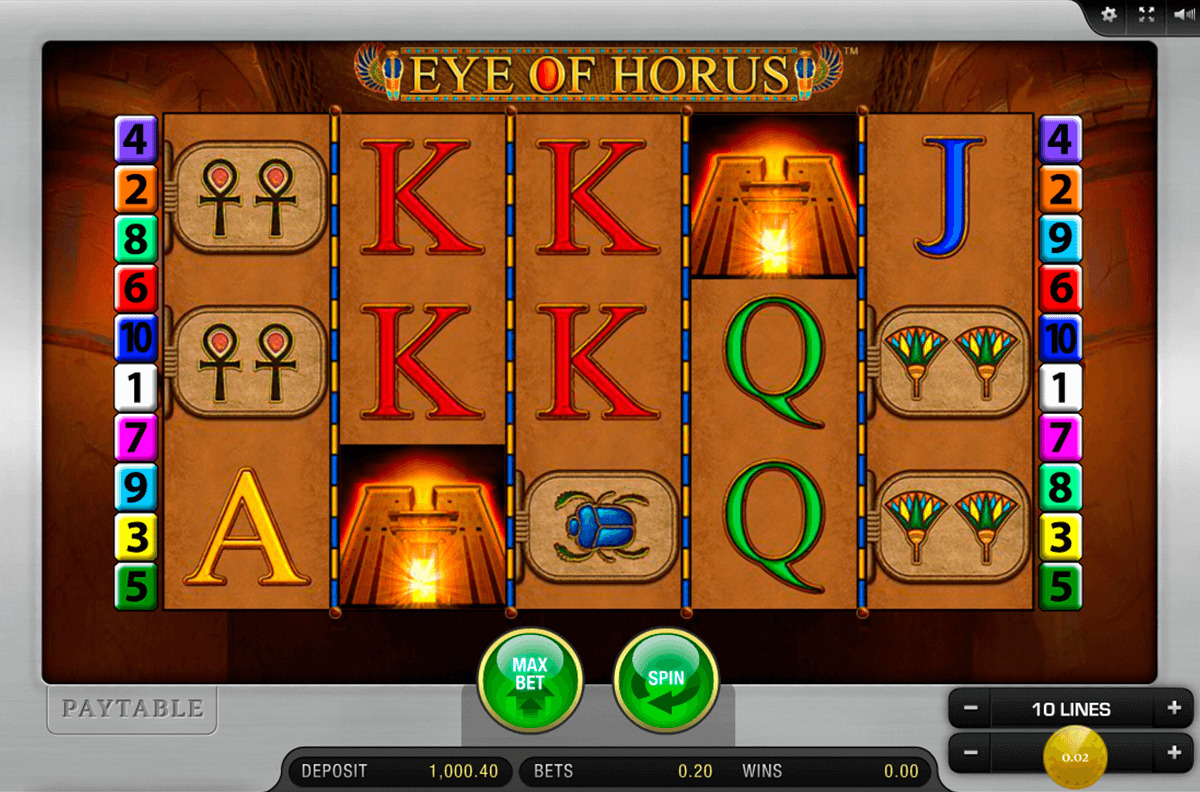

The Eye of Horus online slot has built a loyal following, and a big part of its charm stems from how it looks and feels https://eyeofhorus.games/en-gb. Across the UK’s vibrant gaming scene, players and critics alike keep returning to one point: its artistic quality and technical finish are exceptional. The game’s design philosophy embraces a deep, atmospheric pull over loud, flashy effects. It evokes the mystery of ancient Egypt not with brute force, but with a careful, compelling visual style. This attention to detail shows that a digital slot’s lasting power often depends on the nuance of its presentation and the confidence of its aesthetic vision. That focus on quality is why many now consider it a modern classic, a regular example in conversations about how to do theme right in iGaming.
The Core Aesthetic: A Journey to Antique Egypt
Open the game, and you’re immediately somewhere else. The screen is filled with a vivid vision of ancient Egypt, depicted in deep blues, burnished golds, and soft sandy tones. It sidesteps the bright, cartoonish style you find in numerous other themed slots. This one strives for something more majestic and grounded. The reels hang before a serene, star-lit temple interior, hieroglyphics faintly visible on the stone walls. Every visual piece, from the symbols to the buttons, works toward a single, unified story. The result is a slot that appears less like a random number generator and more like an artifact you are able to interact with. It engages your senses before you even hit spin. Distant desert winds and subtle, mystical chimes on the soundtrack round out the picture. Lighting is managed with a masterful touch. Soft glows follow the edges of stonework and symbols, creating depth and a quiet sense of mystery that invites you to look closer.
Icon Design: Symbolism with Meaning
The icons on the cylinders are examples in conceptual precision and skill. The lower-value images take the classic playing card signs and rework them as refined Egyptian artifacts. You’ll find scarab beetles for spades and ankhs for hearts, all depicted in glittering gold. For the high-value symbols, the title looks to iconic divinities and riches. There’s the grand god Horus, the knowledgeable goddess Isis, the guardian Wedjat eye, and a breathtaking golden necklace. Each one is drawn with detailed line work and a sense of tangible weight, making them unique and satisfying when they form for a win. This imagery does more than decorate. It educates and draws you further, turning each play into a small story about the culture it draws from. Take the scarab. It’s not just a club alternative. It’s an old symbol of regeneration and change, adding a layer of significance to the action. Look at the finish on that golden necklace. You can spot hints of lapis lazuli and carnelian inlay, a level of craftsmanship that goes beyond conventional slot development.
Motion and Visuals: Subtlety Improves Gameplay
Plenty of slots employ screen-shaking animation for each small occurrence. Eye of Horus chooses a distinct route. It employs motion with restraint and clear intent. A win gets a satisfying chime and a soft, glowing pulse around the winning symbols. The Horus wild symbol gives a regal flap of its wings as it appears. The big animations are reserved for special features. The expanding Eye of Horus wild, as an illustration, dominates its reel with a powerful, radiant effect. This layered approach keeps the core gameplay fluid and clean. It also makes the major events seem genuinely important. The motion aids the game in place of fighting with it. UK reviewers often point out this balance, labeling it player-friendly and sophisticated. When the Free Spins round starts, the shift is indicated by a subtle visual change. The temple backdrop appears bathed in a new, more magical light. It signals the change without unsettling you. The expanding wild’s animation is a highlight. It does not simply enlarge. It opens with a measured, deliberate power that underlines its importance on the reels.
UI: Clearness Meets Theme Unification
A slot’s UI is essential, but it’s usually an afterthought. Not here. Eye of Horus integrates its controls into the overall aesthetic. Controls for spin, bet change, and autoplay seem like ancient stone tablets or engraved metal. The font on them is clear and clear. Your credit, bet size, and current win are presented prominently, but they don’t clash with the game’s graphics. The paytable is simple to view and just as elegantly shown. This balance means you’re never pulled out of the immersion by a jarring, modern-looking menu. Interaction feels intuitive and native to the game world. Developers used soft metallic finishes and aged edges on every UI part, making them seem part of the temple design. Even the digits for your credit sum and bet amount use a font that evokes chiseled stone inscriptions. It’s a element that strengthens the theme at every turn, showing a holistic design approach.
Performance Metrics: Graphics That Deliver
Impressive imagery mean little if they hesitate or stutter, especially on a phone. The operational efficiency of Eye of Horus is a major part of its graphical acclaim. The game uses efficient resources and clean coding to provide crisp, fluid visuals on all systems. Whether you’re on a desktop, smartphone, or tablet, the visuals adjust seamlessly. Nothing sacrifices detail or function. This finish guarantees the design concept reaches you as the developers intended, no matter how you play. With mobile play now driving the market, this consistent, top-tier functionality is a major reason in the game’s enduring appeal. Load times are quick, even on less speedy networks, thanks to intelligent resource handling. The visual display stays consistent across multiple OS options and browsers. This indicates of extensive validation, avoiding the visual bugs and positioning faults that afflict less polished titles.
Comparative Visual Standing in the Sector
The market is filled with Egyptian-themed slots. Eye of Horus carves out its niche with artistic integrity and restraint. Many alternatives choose over-the-top 3D graphics, dramatic effects, and a cacophony of sound. This title pursues a classic, calm approach that prizes refinement. That move has connected with users who seek sophistication and thematic substance. People don’t commend its graphics for being the most digitally sophisticated. They commend them for being among the most unified and moody. The title demonstrates visual superiority isn’t just about polygon quantity or particle effects. It’s about implementing a strong artistic vision steadily, from the smallest icon to the entire setting. Place it next to titles like “Book of Dead” or “Cleopatra.” Eye of Horus provides museum-piece refinement instead of high-octane excitement. It caters to a alternative player preference. Its achievement has undoubtedly influenced a trend toward more sophisticated designs in newer games. It shows visual subtlety can be a compelling commercial and critical advantage.
FAQ
What distinguishes the graphics of Eye of Horus stand out?
The graphics are remarkable because they create a cohesive, true ancient Egyptian world. The color palette of blues and golds is sophisticated. It eschews a cartoonish look, focusing instead on atmospheric immersion with intricate symbols and a peaceful temple backdrop. The refinement and consistency of the visual design create an immersive experience that feels regal and thoughtfully inspired.
Are there the animations in the game intrusive?
Absolutely not. The animations are understated and intentional. Wins get a subtle glow. Major features like the expanding wild have more noticeable effects. This tiered approach maintains gameplay fluid and prevents unnecessary distraction. It allows the thematic immersion be intact. Players and reviewers praise this balance, noting it enhances the game’s flow.
How does the game function on mobile devices?
It performs extremely well on mobile. The game’s assets are adjusted to offer crisp, smooth visuals on smaller screens. There’s no significant lag or loss of detail. The interface adjusts intuitively, preserving all functionality and the high-quality look. This dependable cross-platform performance is a key reason for its success with mobile players in the UK.
Is the user interface easy to understand?
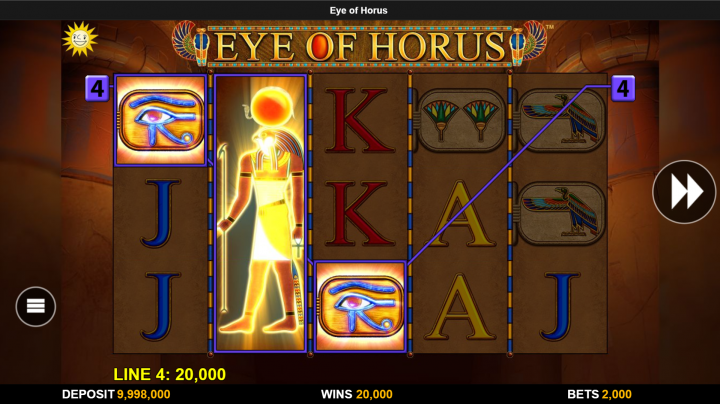
Yes, it’s clear and thematically integrated. Controls appear ancient stone tablets or carved metal, merging with the game’s art. Key details like your bet size and balance is presented prominently in an readable style. The paytable is also easy to access. This creates the game accessible for beginners and seasoned players from the first spin.
What are the highest-paying symbols?
The highest-paying symbols are figures from Egyptian mythology. You seek the god Horus, the goddess Isis, the Wedjat eye (Eye of Horus), and an decorative golden necklace. These are crafted meticulously and offer the biggest payouts. The classic playing card suits appear as Egyptian relics like scarabs and ankhs for the lower-value symbols, forming a perfect thematic order.
Will the game have any aesthetically striking bonus features?
The most impressive is the Expanding Eye of Horus Wild. When it lands and helps create a win, it grows to cover the whole reel, paired by a glowing animation. The Free Spins feature, triggered by scarab symbols, also improves the visuals with its own special mode. It maintains the atmospheric aesthetic while increasing your winning potential.
How the visual style compare to other Egyptian slots?
Against many other Egyptian slots, Eye of Horus chooses classic elegance and authenticity. It steers clear of chaotic animations and garish colors. Instead, it establishes immersion through a consistent, serene art style. This refined approach has won praise for its sophistication and cohesion. It appeals to players who desire a more atmospheric, less overwhelming experience than flashier rivals offer.
The ongoing praise from the UK market for Eye of Horus highlights a basic rule of game design. Lasting player engagement is founded on atmosphere and artistic integrity. By forging a powerful, consistent visual identity, from its iconic symbols to its intuitive interface, the game goes beyond mere functionality. It presents a genuine escape. It reveals that in a digital landscape often shouting for attention, clarity, purpose, and thematic depth can create a stronger, more enduring connection with players. Sometimes, timeless aesthetics simply outshine fleeting graphical trends.
